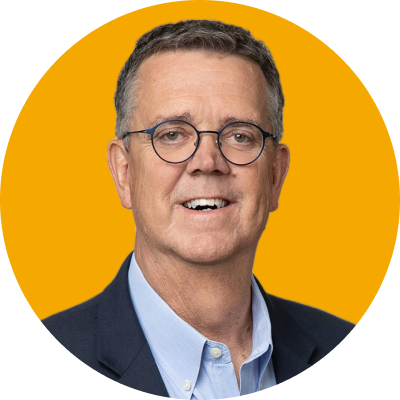
John Fareed
Managing Partner, Orlando, USA
John Fareed es el Presidente Global de Horwath HTL, donde es responsable de dirigir la marca global y gestionar las oficinas de la firma en América.
Bio
John tiene más de 30 años de experiencia en la prestación de servicios de consultoría a una clientela diversa, que incluye empresas de la lista Fortune 500, marcas mundiales, prestamistas, promotores, REIT, empresas de gestión, inversores, propietarios, abogados y aseguradoras. Su experiencia en consultoría se centra en las áreas de gestión de activos y planificación estratégica de mercado, con especial atención a las nuevas aperturas, reposicionamientos y reestructuraciones. Además, John presta servicios de peritaje y apoyo en litigios en el sector de la hostelería, el turismo y el ocio.
Los logros de John han sido ampliamente reconocidos. La Hospitality Sales and Marketing Association International (HSMAI) le nombró una de las "25 Mentes Extraordinarias en Ventas y Marketing". En 2024, el Instituto Internacional de Hostelería (IHI) le nombró entre las "100 personas más influyentes en la hostelería y los viajes de EE.UU.". Además, John es Presidente Emérito Mundial de la Sociedad Internacional de Consultores de Hostelería (ISHC) y miembro del Consejo de Administración de la Fundación Internacional HSMAI.
John Fareed tiene un Máster en Ciencias por la Escuela de Hostelería y Turismo del Instituto de Tecnología de Dublín (ahora conocido como Universidad Tecnológica de Dublín), en Irlanda. Además, posee un Certificado de Inversiones Inmobiliarias Hoteleras y Gestión de Activos de la Universidad de Cornell y designaciones profesionales tanto de la Sociedad Internacional de Consultores de Hostelería como de la Asociación Internacional de Ventas y Marketing de Hostelería.


Opiniones de expertos
Análisis de vanguardia.
Valuing a Hotel Management Company: Read the Hotels Behind the Fees
A hotel management company is worth what the hotels behind its fees will keep paying. Learn how to read competitive position, contract survival and owner economics, then turn them into a defensible multiple, with a hypothetical worked example of a downside case.

Depreciation and Effective Age
A methodology whitepaper for inclusion in report addenda. Written for an intelligent reader who is not an appraiser.
The loyalty paradox: when AI books the room, who owns the guest relationship?
A traveler planning a three-night stay opens a chat window and types a request that sounds less like a search query and more like a conversation with a trusted concierge: a quiet room, a decent gym, a walkable neighborhood, flexible cancellation, a late arrival. The assistant asks a question or two, then offers a shortlist with crisp tradeoffs and a tone of calm authority. The traveler picks one. The assistant replies: ready when you are. Book?
Local roots, global scale: five key drivers of management company consolidation
The post COVID recovery did more than repair the U.S. hotel industry – it reshaped where value is being created and who is best positioned to capture it. Nowhere is that clearer than in the Sunbelt and its collar markets, where demographic shifts, corporate relocations and “year round leisure” have combined to produce outsized and often resilient hotel performance.
Five drivers of hotel management company M&A in the Caribbean & Latin America (CALA) region
Independent hotel management companies are experiencing a period of accelerated growth across the Caribbean and Latin America (CALA), including Mexico. What was once a fragmented landscape of small, entrepreneurial operators is evolving into a dynamic ecosystem of increasingly sophisticated regional platforms — and capital providers are taking notice. For owners, investors, and lenders, the trend is not simply about operational preference. It reflects deeper structural forces reshaping the region’s hospitality sector: the need for local expertise, the pursuit of scale, the rapid modernization of technology and processes, and the growing demand for transparency, professionalism, and liquidity. Together, these drivers are creating a compelling case for independent operators as credible, aligned, and value‑enhancing partners for capital.
A unified vision for tourism readiness ahead of the World Cup
In 2026, the world will turn its eyes toward North America. For a month, the FIFA World Cup will become more than a global sporting competition – it will be a defining measure of how cities, nations, and industries craft human experience at scale.