Tourism Insight
A unified vision for tourism readiness ahead of the World Cup
January 2026
In 2026, the world will turn its eyes toward North America.
For a month, the FIFA World Cup will become more than a global sporting competition – it will be a defining measure of how cities, nations, and industries craft human experience at scale.
The experience before the arrival
Across the United States, Canada, and Mexico, millions of travelers will arrive not only to see a game but to live a story. They will bring expectations formed by past travels, social media, and the promise that the world’s most celebrated event will surpass them all.
The question is not whether cities are ready to host; most are well into preparations for security, transportation, and stadium readiness. The question is whether visitors will leave believing they’ve experienced something extraordinary—something that defines their impression of a city and compels them to return.
The World Cup is less about the matches and more about movement: the flows of people, ideas, and emotion that ripple through a city when the world arrives all at once. It is a moment when the tourist experience becomes the city’s most valuable export—and the foundation of its long-term economic legacy.
Authors


The hidden economy of emotion
1.
The driving force
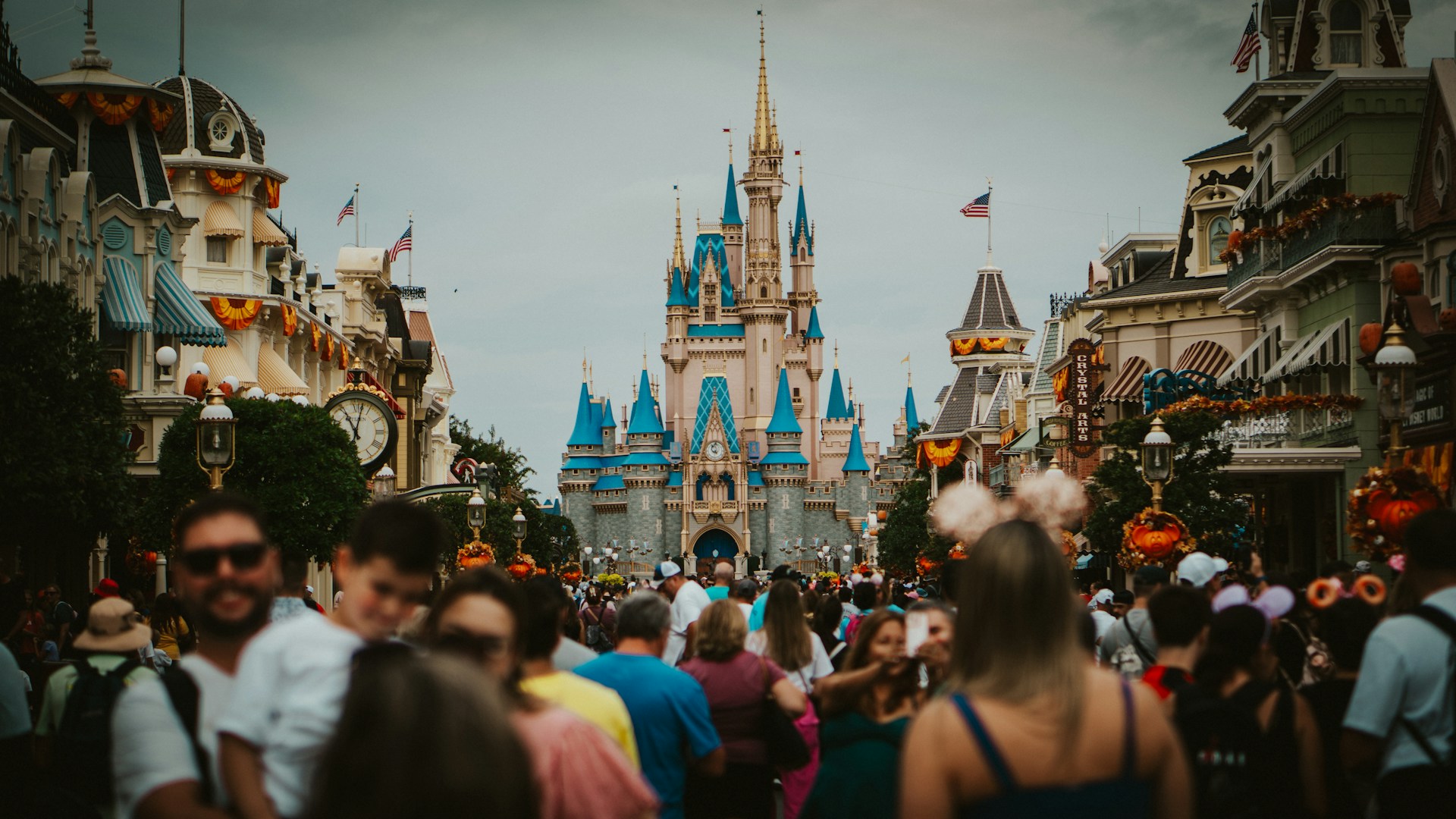
Tourism is often discussed in numbers—room nights, arrivals, visitor spending—but the driving force behind those figures is emotion. The tourist economy begins long before arrival and extends long after departure. The feeling of safety, the ease of navigation, the warmth of interaction, and the authenticity of experience all determine whether a city becomes a destination worth revisiting or merely a point on a map.

2.
Civic currency
During large-scale events, emotional economy becomes civic currency. Each positive moment—a smile from a volunteer, a clear transit map, a clean public space—translates into measurable fiscal return. Visitors spend more when they feel welcome, confident, and connected.
Cities that succeed in optimizing that experience outperform those that focus solely on logistics. The aim, then, is not to control the tourist journey, but to curate it. Every city has a chance to become the face of global hospitality, and each traveler, in turn, becomes an ambassador for the city that treated them well.
The timing for readiness is not arbitrary. As the calendar nears the end of the year, most cities find themselves in the STRATCON 5 period—a phase defined by strategic alignment, fiscal planning, and inter-agency coordination. It is the most critical phase to establish visibility, define objectives, and synchronize communications.
STRATCON 5 occurs roughly ten to three months before a major event. It is when budgets close, contracts finalize, and momentum begins. The reason this period “packs the most punch” fiscally is simple: money not yet committed is opportunity waiting to be optimized. Every investment made in STRATCON 5—whether in wayfinding, crowd flow, sustainability, or service design—multiplies its impact later. By the time a city reaches STRATCON 3, most financial decisions are fixed, and only refinements remain.
The closing months of the fiscal year offer a rare alignment between planning and economic opportunity. Cities that engage during this window can shape their narratives, set visitor expectations, and activate systems that make spending feel effortless.
Timing, in other words, is the architecture of success.
Tourism as a system of trust
To understand how a city experiences the World Cup, it helps to see it not as a collection of districts and venues, but as an interconnected network of trust. Travelers enter an environment they do not fully know, relying on the city to guide them—physically, emotionally, and logistically—through their stay.
Trust is earned through consistency. A tourist who lands at the airport and finds intuitive wayfinding, reliable transport, and courteous staff arrives at their hotel already inclined to enjoy the city. Small efficiencies reinforce the idea that the destination values its guests. This is not a matter of luxury but of reliability—of every system performing exactly as promised.
Trust also extends to safety. In today’s climate of global mobility, travelers weigh their destinations not only by beauty or culture but by how safe they feel. Visible coordination among agencies, clear emergency protocols, and transparent communication all reassure visitors that the city is prepared. In this sense, safety is not merely a responsibility—it is part of the experience.
From Readiness to Resonance
A visitor’s memory of a city often crystallizes in the smallest moments: the ease of getting a late-night meal after a match, the warmth of local volunteers, the music that spills into public plazas, or the lights reflecting on a waterfront promenade. These are not random experiences—they are engineered intersections between planning and personality.
Readiness becomes resonance when a city aligns its infrastructure, culture, and communication around one goal: to make every guest feel seen. The essence of modern tourism is personalization—not on an individual level, but through civic empathy. A city that anticipates needs, minimizes friction, and amplifies its unique character transforms every tourist into a storyteller.
The architecture of coordination
1.
Coordinated systems
Tourism readiness is not an act of administration—it is a form of orchestration. The system works best when city administration, tourism bureaus, public works, hotels, transport authorities, health agencies, and cultural organizations all function as parts of one coherent structure.
2.
Unified communication
In major events, the difference between success and struggle is seldom infrastructure; it is communication. Coordination transforms redundancy into efficiency. When a transit update reaches hotel concierges before guests arrive, confusion disappears. When emergency response teams share location data with event managers, safety becomes proactive rather than reactive. When sustainability initiatives connect across departments, a city’s environmental promise turns measurable.
3.
Shared visibility
The most successful host destinations operate as if every agency shares one dashboard—real-time, transparent, and responsive. It is not about control but about clarity. When everyone can see what everyone else is doing, double efforts are avoided, resources are pooled, and public confidence grows.
Tourism in motion
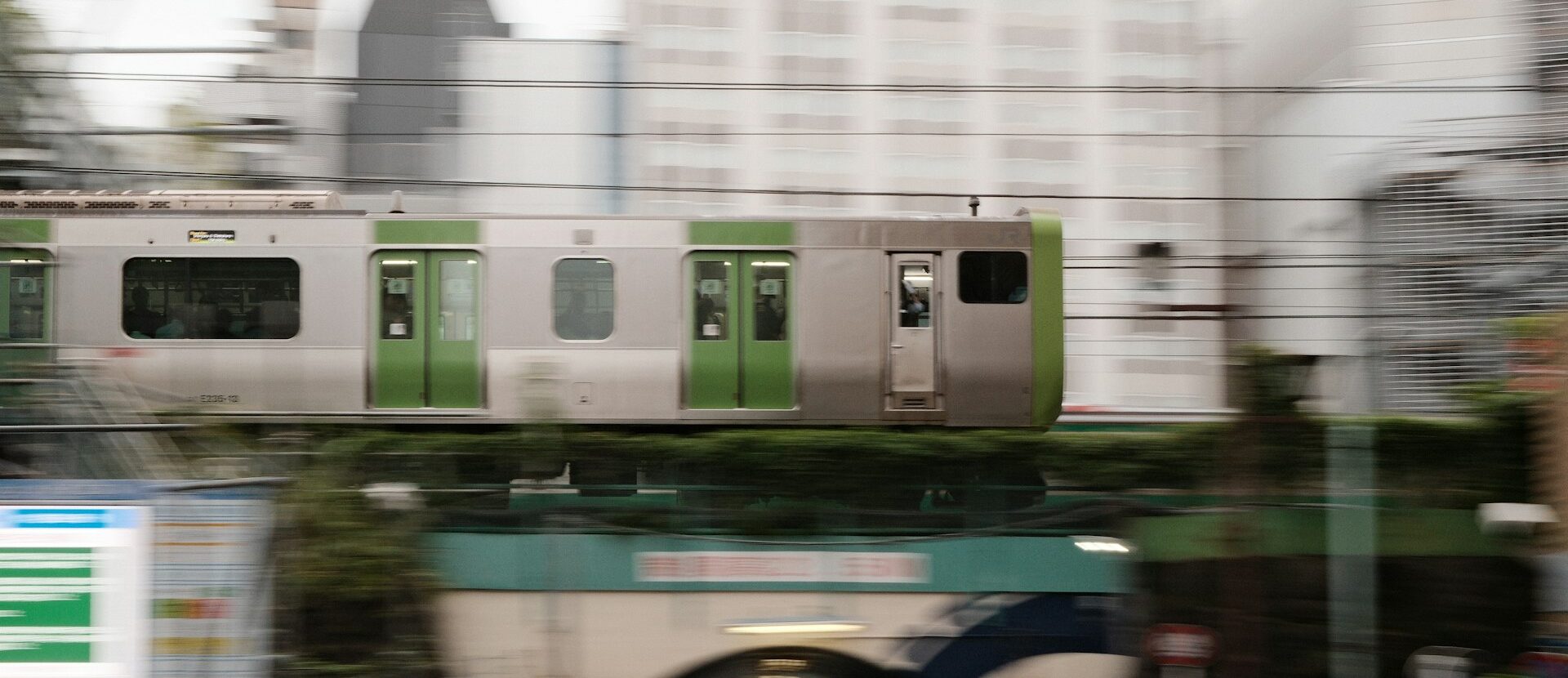
The flow of a tourist is the flow of the city itself. During the World Cup, every movement—airport to train, train to hotel, hotel to venue—creates economic ripples. The success of one segment depends on the coordination of the next. If the airport arrival experience is smooth but hotel check-in is chaotic, trust fractures. If security lines are efficient but public transit is late, satisfaction erodes.
Cities that master tourism in motion understand that mobility is not a technical challenge—it is an emotional one. Travelers remember how they felt while moving through a city more than they remember where they went. When movement feels seamless, confidence turns into spending. The average visitor will walk farther, linger longer, and engage more deeply when the environment feels intuitive.
Transportation is not separate from tourism; it is its bloodstream. Every train map, shuttle route, and ride-share queue is a design decision shaping visitor emotion.
The modern traveler increasingly expects sustainability to be embedded, not advertised. Guests are not looking for lectures—they are looking for leadership. The World Cup is an opportunity for cities to show what responsible tourism looks like in practice: energy-efficient transit, reduced single-use materials, and hotel programs that trade daily laundry service for a complimentary drink or local experience.
Sustainability should feel like hospitality. When visitors see measurable progress—such as digital displays showing millions of pounds of CO₂ saved—they feel part of something larger than the event. Green initiatives, when communicated transparently, inspire both civic pride and international admiration.
Environmental stewardship has moved beyond corporate policy; it is now a central component of brand identity. Cities that lead in sustainability elevate their global reputation long after the final whistle.
The city as a stage
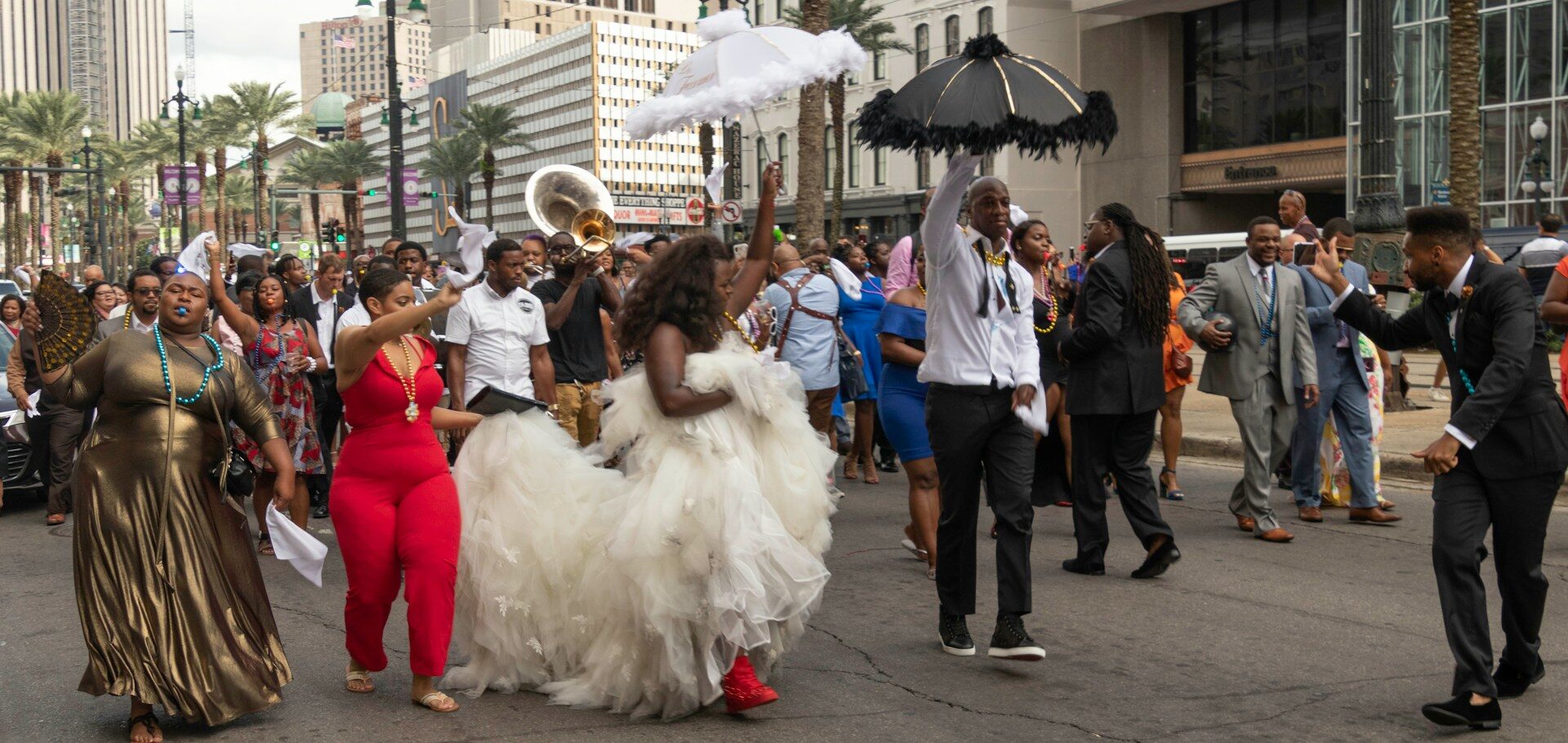
During the World Cup, each city becomes both host and performer. Streets, parks, and waterfronts transform into stages where local culture meets global attention. The design of these spaces—lighting, signage, sound, and accessibility—determines how the narrative unfolds.
Every city tells a story through its spatial rhythm. In one, visitors may experience open plazas filled with food markets and music; in another, intimate pedestrian corridors leading to cultural districts. Each expression of local identity becomes a scene in the world’s collective memory.
Cities that succeed understand that the World Cup is not only about the games—it is about how the city feels in between them. The most memorable experiences often occur outside the stadium walls: a spontaneous performance, a late-night meal shared with locals, a child trading flags in the street. These are the human moments that define legacy.
Safety and welcome
Global events magnify both confidence and anxiety. International visitors may be uncertain about language, transport, or local customs. Host cities that communicate clearly—through multilingual signage, mobile apps, and hospitality training—reduce that anxiety and replace it with comfort.
Safety should feel seamless, not oppressive.
Visible presence without intimidation, coordinated medical and life-safety readiness, and rapid but calm communication build trust. Travelers are reassured when they see professionalism rather than panic.
Every interaction, from customs to curbside, should reaffirm that visitors are not outsiders—they are guests.
Digital infrastructure and real-time awareness
Modern tourism is digital before it is physical. Travelers plan, navigate, and share experiences in real time. Cities that integrate data into their operations—calibrating actual travel times, traffic patterns, and congestion through live analytics—create adaptive systems that learn and improve daily.
Imagine a World Cup app that provides live crowd density, walking distances, and shuttle timing—while simultaneously allowing visitors to discover nearby attractions and experiences. Digital infrastructure does not replace human hospitality; it enhances it. The best systems give tourists freedom and confidence while giving cities the insight to respond instantly when friction appears.
The ripple of preparedness
Cities that plan for tourism rarely plan for what comes next. Yet the greatest value of major events lies not in the weeks of activity but in the years of awareness they generate. A visitor who experiences a city during a global event becomes part of a long-term ripple: returning as a future tourist, business traveler, or investor.
Preparedness compounds. The infrastructure, training, and communication systems designed for an event become the backbone of everyday tourism excellence. When the spotlight fades, the systems remain—elevating the city’s baseline performance.
The legacy of the World Cup will not be measured by who won, but by which cities used the moment to reinvent how they welcome the world.
Measuring what matters
Traditional tourism metrics—arrivals, ADR, occupancy—are no longer sufficient. Cities must measure experience quality, emotional satisfaction, and economic resonance. The right data reveals the invisible: how long visitors stayed in public spaces, how they moved between districts, how much they spent after each interaction.
Real-time measurement tools allow agencies to adjust strategy midstream. When crowd flow data shows bottlenecks, pedestrian zones can shift. When spending dips in one neighborhood, programming can redirect traffic. This kind of adaptive intelligence turns data into empathy.
Metrics should never replace intuition, but they should inform it.
The most successful cities will combine human warmth with analytical precision.
Tourism as civic alignment
1.
Shared purpose
Tourism, at its best, aligns a city’s departments toward a shared purpose. It is where public works meet culture, where safety meets storytelling, where infrastructure meets imagination.
The World Cup gives cities a reason to talk to themselves. Transportation agencies communicate with hoteliers; environmental officers coordinate with marketing teams. What emerges is not just readiness, but identity.
2.
Lasting impact
Cities that treat tourism as a system of shared goals rather than competing departments discover efficiencies that endure long past the event. The process of preparing for visitors often ends up improving life for residents—a cleaner city, smoother transit, safer streets, and a renewed sense of pride.
In that sense, the tourist experience is the civic experience, magnified.
The STRATCON continuum
STRATCON, or Strategic Condition, divides readiness into phases that guide coordination from pre-event through post-event legacy. It mirrors the logic of a campaign: awareness, preparation, execution, reflection, and evolution.
During STRATCON 5—the stage we are entering now—cities have the greatest leverage. It is the phase of alignment and design, where goals can still be shaped before implementation begins. It is the moment to synchronize inter-agency communication, define measurement systems, and activate partnerships that will carry through to execution.
The beauty of STRATCON 5 lies in its flexibility. Decisions made in this phase ripple forward with exponential impact. This is the window when coordination yields the highest return—fiscally, operationally, and emotionally.
Beyond the games
When the final whistle blows, what remains? For the cities that prepare with intention, what remains is not just infrastructure but identity. The venues built, the transit systems improved, the green initiatives tested—all become part of the urban fabric.
But more important than what remains physically is what endures emotionally. Visitors will remember how they were made to feel; residents will remember how they came together. Those memories form the narrative of the city for decades to come.
The World Cup is not a finish line—it is a catalyst. A well-prepared city will use the event as a platform to attract future conventions, festivals, and investment. The groundwork laid for this event becomes the template for every major gathering that follows.
The traveler at the center
The core of tourism readiness is not data, or infrastructure, or even coordination—it is people. Every improvement, every policy, every plan should trace back to a single question: Does this make the traveler’s experience better?
When cities center the tourist experience, profit follows naturally. Higher satisfaction drives longer stays, increased spending, and stronger word of mouth. Cities that make visitors feel safe, seen, and inspired inevitably earn both loyalty and return.
Tourism, at its highest level, is not about transactions—it is about transformation. The traveler leaves changed, and the city, too, evolves with each encounter.
Conclusion: the art of welcome
Hosting the World Cup is an act of global hospitality. Each city has a chance to redefine what welcome means—to transform operational readiness into emotional resonance.
The success of 2026 will not be measured in ticket sales or hotel rates alone but in the collective stories told by millions of visitors returning home.
The most powerful legacy a city can create is not a stadium or a skyline—it is the memory of being perfectly, effortlessly, joyfully received.
Profits will come, but they are not the purpose. They are the natural byproduct of empathy, excellence, and connection—the economics of experience at its highest form.