Tourism Insight
Spirit is gone, fuel costs are rising and Mexico's hotels are caught in the middle
May 2026
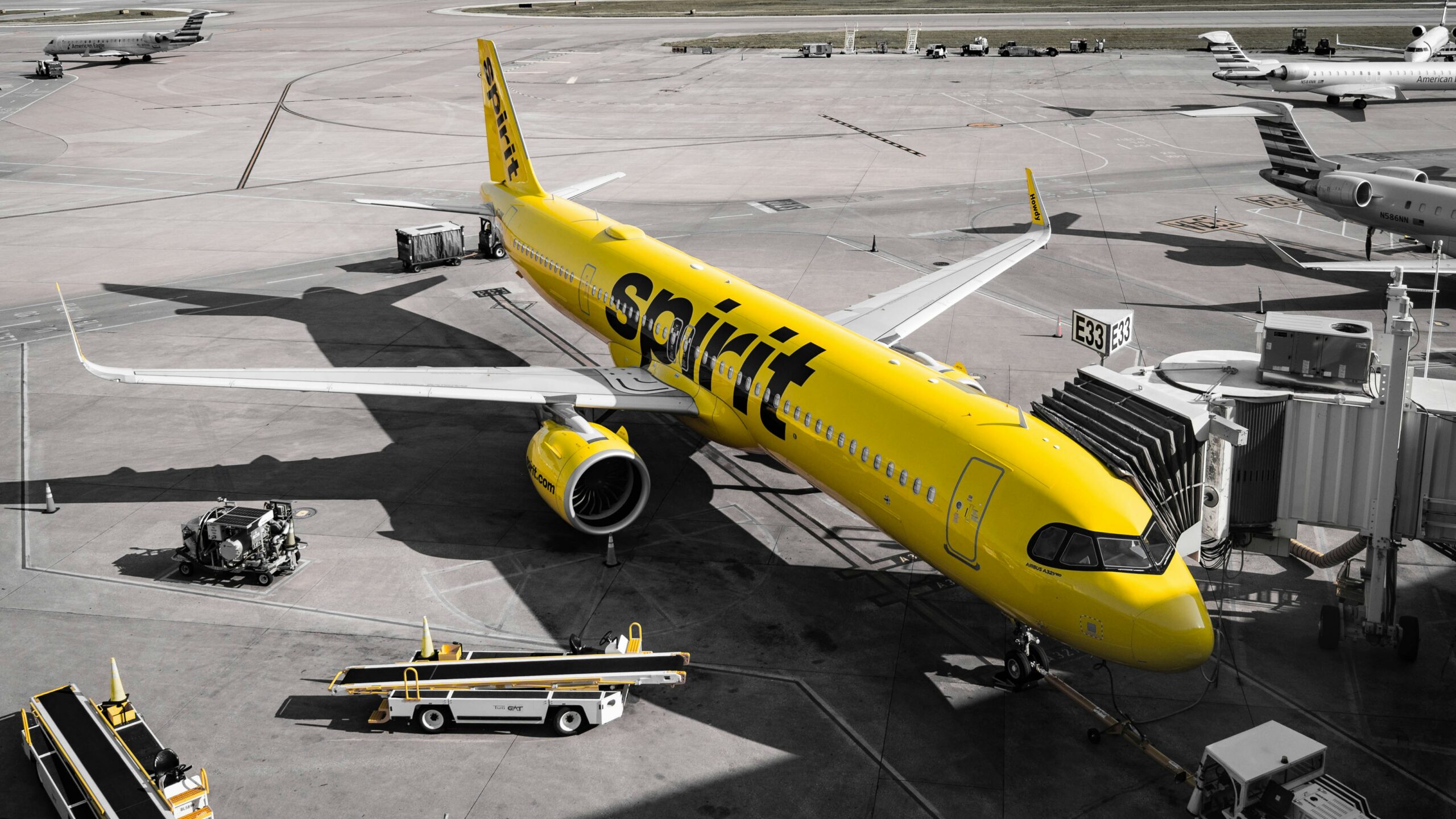
The shutdown of Spirit Airlines delivers a major shock to Mexico’s tourism economy, removing one of the largest ultra‑low‑cost carriers serving the U.S.–Mexico leisure corridor at the same time global jet‑fuel prices are rising.
An acute capacity loss during a peak period
Spirit had 4,119 scheduled flights between May 1 and May 15, representing 809,638 seats, and historically allocated 5–7% of its network to Mexico and the Caribbean. Based on that ratio, Mexico is effectively losing 200–300 weekly flights and 40,000–60,000 weekly inbound seats during peak periods—capacity that cannot be quickly replaced by other carriers. This loss is especially acute in Cancún, Los Cabos, and Puerto Vallarta, where Spirit’s presence helped maintain competitive fares and provided essential access from secondary U.S. cities. Without Spirit’s fare discipline, remaining airlines gain pricing power just as rising fuel prices—driven by geopolitical instability—push operating costs higher across the industry. CBS News reports that when Spirit exits a route, average fares rise 23%, or roughly $60 per round trip, and passenger volume falls 20%.
With fuel prices climbing simultaneously, Mexico faces a structural airfare increase rather than a temporary spike.
For Mexico’s hotel sector, this combination of lost airlift and rising airfare costs creates immediate and uneven pressure. Midscale and Upper Midscale hotels, which rely heavily on price‑sensitive U.S. travelers, are likely to experience the steepest drop in occupancy as travelers shorten trips, switch destinations, or cancel plans altogether. All‑inclusive resorts—particularly in Cancún and Los Cabos, where Spirit accounted for 10–15% of low‑cost inbound seats—will struggle to maintain package pricing as airfare inflation erodes the affordability of bundled vacations. Independent hotels, lacking loyalty programs and brand‑driven demand, face even greater vulnerability. Meanwhile, luxury and upper‑upscale properties may see less disruption, as their guests are less sensitive to airfare increases and more resilient to fuel‑driven price volatility.
Authors


 Where does Spirit leave Mexico as a World Cup host?
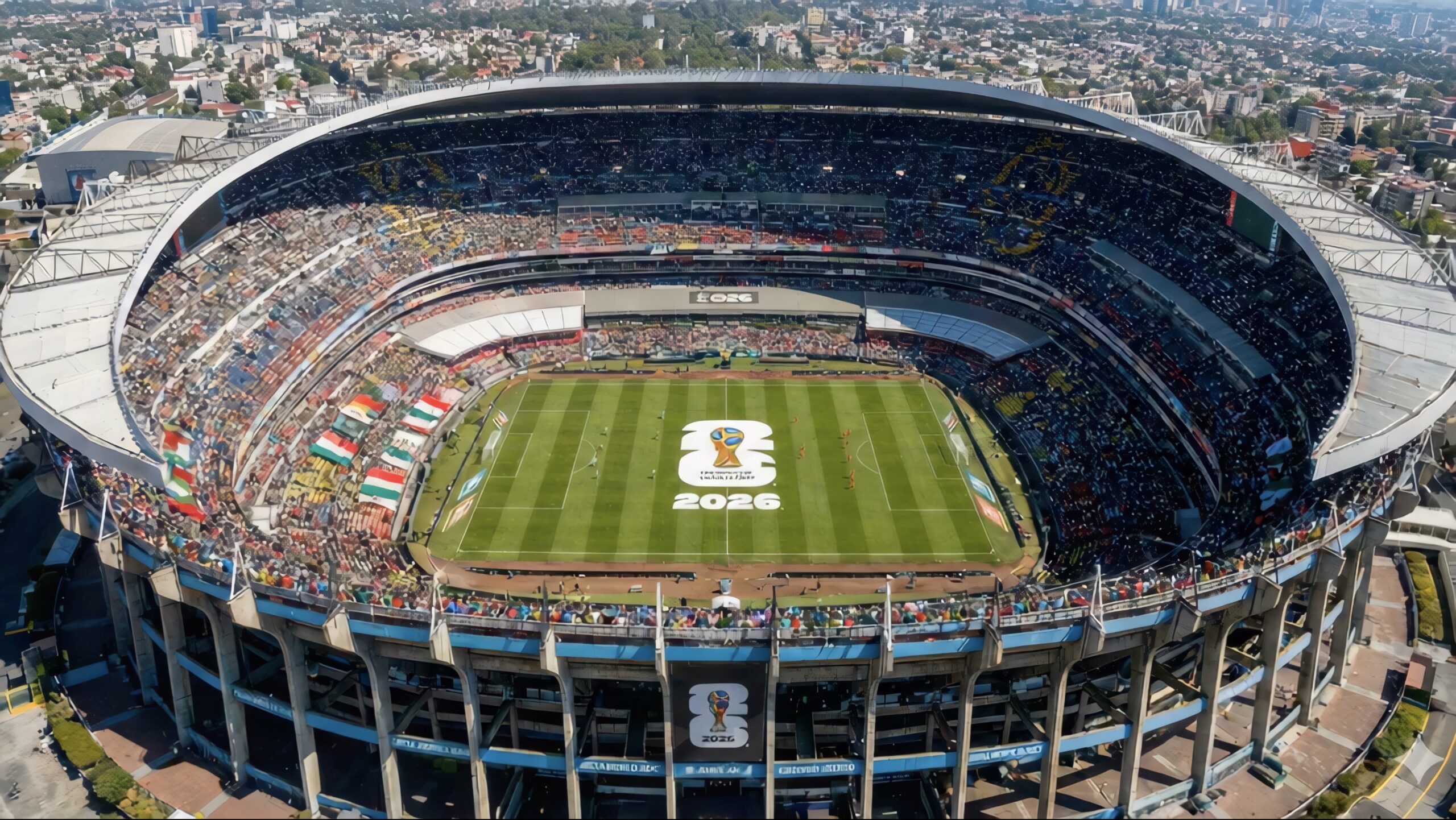
Adding to this turbulence is the uncertainty surrounding hotel occupancy during the 2026 World Cup, which Mexico is co‑hosting with the United States and Canada. While major host cities such as Mexico City, Guadalajara, and Monterrey are expected to see strong demand spikes during match periods, the broader national impact is far less predictable. Historically, mega‑events often displace regular leisure travelers, who avoid perceived congestion and higher prices. This means beach destinations—already hit by Spirit’s shutdown—may not receive the demand lift they hope for, and could even experience softer‑than‑expected occupancy if travelers shift their plans toward host cities or postpone trips entirely. Hotels across the country are therefore facing a rare dual uncertainty: reduced airlift and rising airfare costs on one side, and an unpredictable World Cup demand curve on the other.
Over the medium term, the removal of more than 40,000–60,000 weekly seats and the sustained rise in fuel‑driven airfares could accelerate consolidation in Mexico’s midscale hotel segment, with weaker independents becoming acquisition targets for regional chains and private equity groups. Hotels may increasingly pivot toward higher‑yield travelers, diversify into Canadian, South American, and European markets, and rely more heavily on dynamic pricing and direct‑booking strategies to stabilize revenue. If no carrier steps in to replace Spirit’s lost capacity—and if fuel prices remain elevated—Mexico’s leisure market may undergo a long‑term shift toward a more premium profile, characterized by higher ADRs, fewer budget travelers, and a more concentrated demand base.
In this sense, Spirit’s shutdown, combined with rising fuel costs and the uncertain occupancy outlook tied to the World Cup, is not merely an airline disruption but a structural turning point for Mexico’s hotel industry.