Hospitality Insight
The rise of ‘Active Luxury’
July 2026
Today's luxury guest doesn't want to be served – they want to be part of it. That single shift is rewriting the rules of the market.
For most of the twentieth century, the poolside lounger was the symbol of a vacation well spent. Luxury was measured by the ability to do nothing at all.
That image still sells postcards, but it barely describes what guests are looking for today.
The key question, is how to offer activities that make an impact on the experience.
That shift redefines what a hotel sells. In the past, the hotel experience had two layers: the physical support -the property, the rooms, the pool, the spa – and the service the staff provides on top of it. Both remain necessary, but they are no longer enough to stand out.
A third layer is now being added: the curation of, and access to, what the guest can do. The hotel stops being merely a place to stay. It becomes the hub that organizes, proposes and opens the door to a menu of activities. From passive venue to hub.
The numbers confirm it. The immersive experiences market was worth around USD 144 billion in 2025 and continues to grow. But the most important thing is not its size. It is the underlying change in the luxury consumer: a move from a luxury of having (what one owns) – to a luxury of living (what one experiences). And it is the memorable experiences that now determine whether guests return and how much they are willing to pay.
Author


The proactive ‘doing’
The major chains have already understood this. They have built programs around the activity, not the rest:
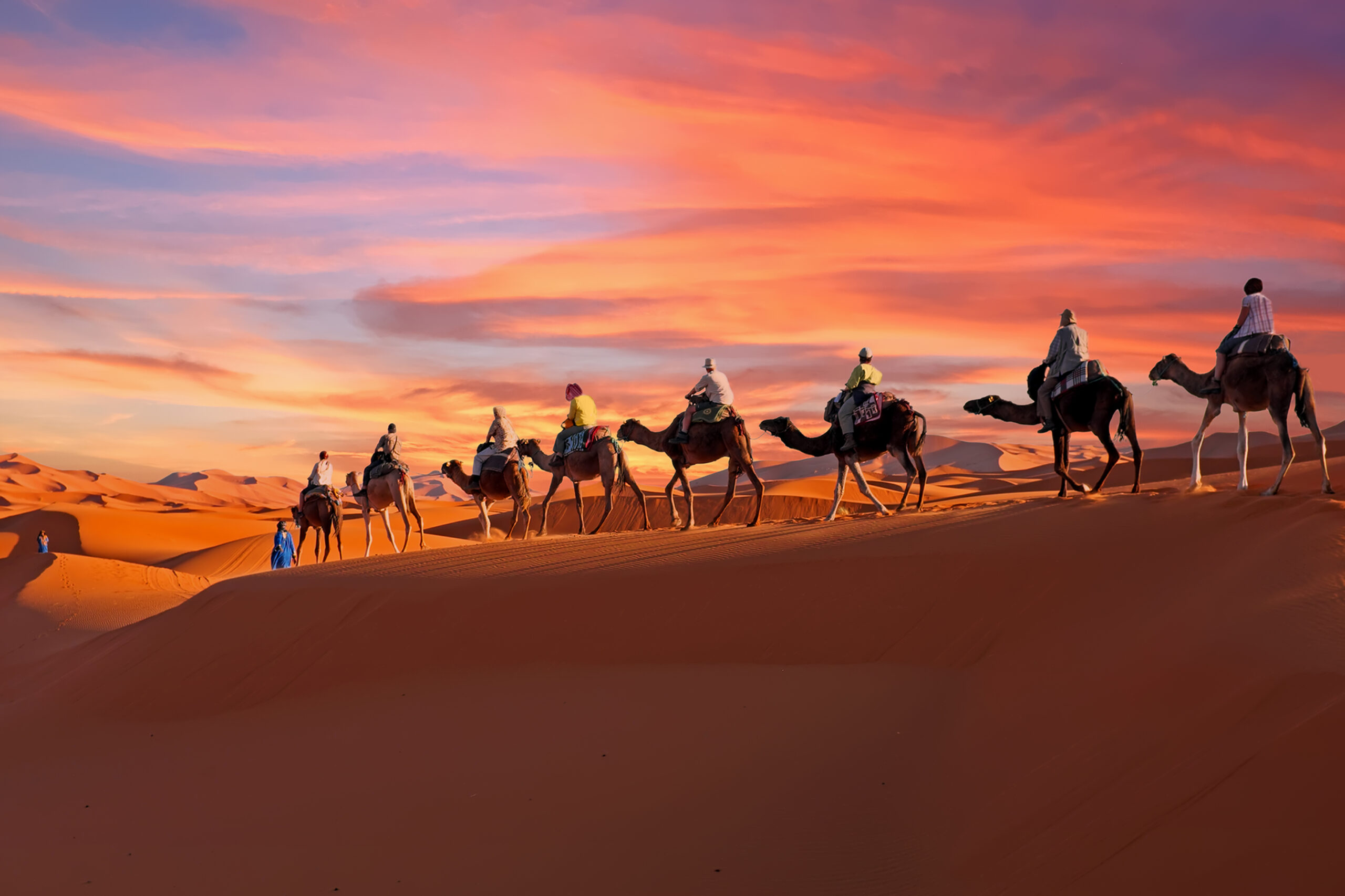
- Ritz-Carlton turns the setting into a program: sunset camel caravans and riding lessons at its own equestrian center in Al Wadi Desert, or the “Dance of Thanks to the Sea” ceremony with gamelan music in Langkawi.
- Four Seasons created products such as the Drive Experience, curated driving routes with private access, and, at Sensei Lanai, a model where the guest chooses between culture and guided adventure.
- Six Senses built its brand on experiences in remote locations and activities tied to nature and the local community.
- Aman arranges bespoke cultural immersions at every destination: local rituals, art workshops, markets and tours that connect the guest with the place.
- Rosewood launched “Summer Immerse”, a collection of activities – from culinary journeys to outdoor adventures – designed around its “sense of place” philosophy.
- Belmond made the journey itself the experience: its historic trains and river cruises turn the travel into the event, not a mere formality.
The ‘simple’ as a differentiator
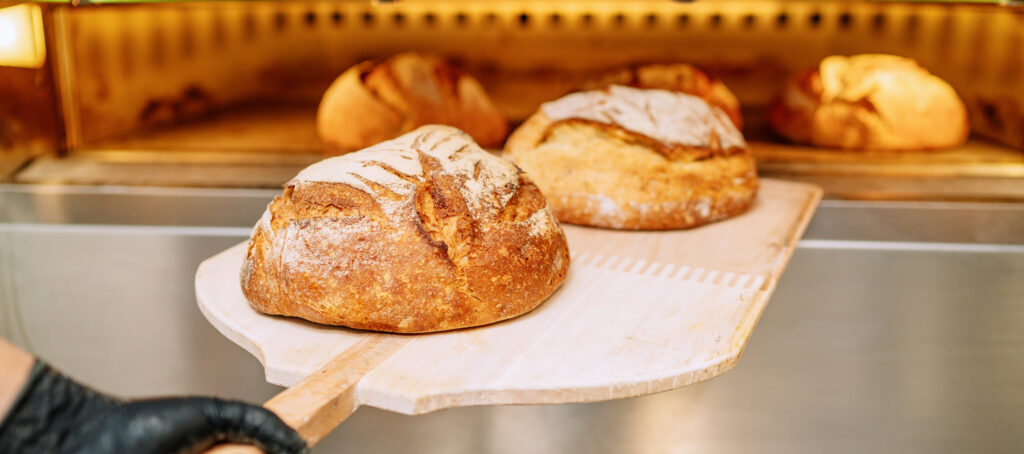
The most interesting part is not the spectacular. It is the everyday. Gathering fresh eggs from the henhouse for breakfast. Kneading bread with the house baker. Harvesting from the garden what will later be cooked. Today the guest prefers to take part rather than watch.
A luxury hotel that sends its guest to fetch the eggs seems like a contradiction: it makes them work. But that is precisely the point. The experience is no longer produced by the waiter with an impeccable breakfast. It is produced by the hotel that steps back and lets the guest do. What is memorable is no longer only what is received. It is also what is done.
Why does this matter?
The differentiator becomes strategic.
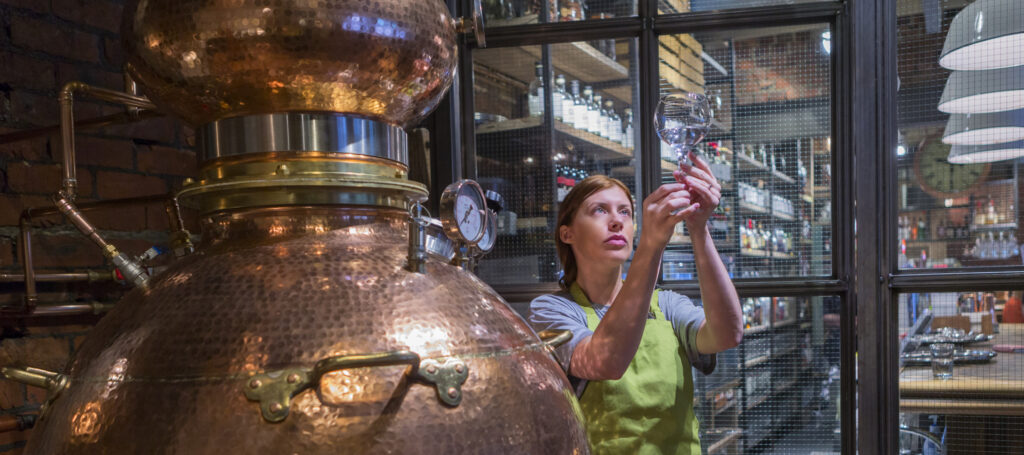
- It is hard to copy: a spa can be bought. A pool can be built. A brand can be licensed. Authentic curation tied to the place – the henhouse, the guide who knows the river, the relationship with local producers – depends on a sense of place: it is cultivated, not bought. It is a barrier harder to cross than any room renovation.
- It generates extra revenue: well-monetized across the entire journey, from the pre-arrival email to check-out, activities add spend on top of a moderate cost base.
- It sustains rate and loyalty: the memorable experience underpins ADR and, above all, the intention to return. That is where long-term profitability lies.
- It will trickle down: by the same trickle-down logic as always – the en-suite bathroom and the in-room TV moved from luxury down to the simplest motel – the expectation of having things to do will reach the midscale sooner than many think.
The question is no longer only whether you offer a good pool or a good spa.
It is another, more uncomfortable and more useful one: when the guest wakes up, what can they do that they could not do anywhere else? And how well am I making it happen for them?
The answer is already deciding who is winning this race.