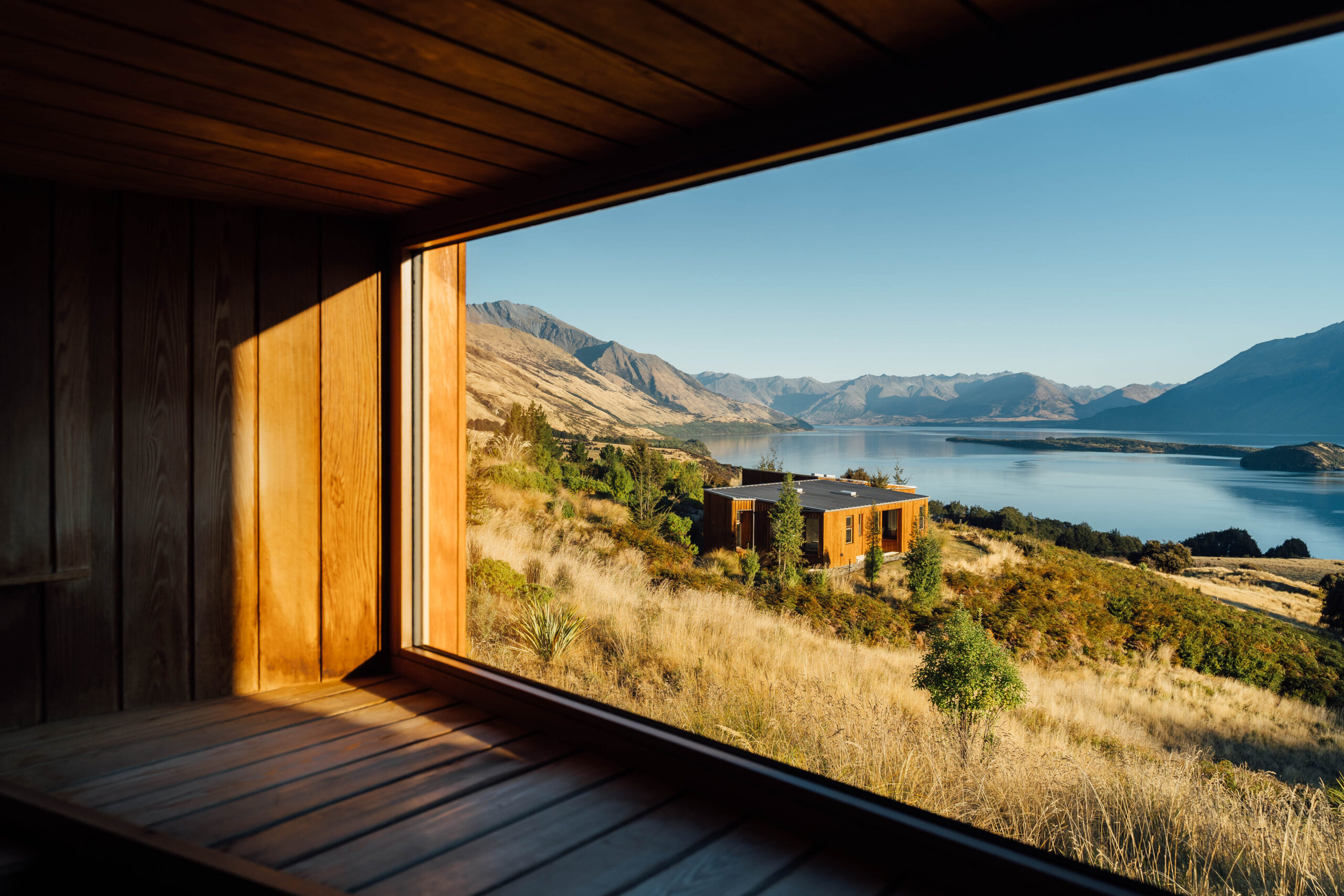
Health & Wellness Insight
Emerging Technology and Wellness
June 2026
Horwath HTL NZ recently presented at the 2026 Design Inn Symposium in Adelaide, a partnered event with the Asia Pacific Hotel Industry Conference & Exhibition.
This provided a timely opportunity to explore the intersection of wellness and technology, and to consider how emerging innovations are shaping the future of hospitality design, guest experience, and human wellbeing.
The opinion piece below reflects on the key themes shared during that presentation.
The wellness sector is moving through a significant period of change.
Technologies such as biometric feedback, circadian lighting, adaptive sleep systems, immersive acoustic environments, AI-driven wellness platforms, and intelligent environmental controls are increasingly influencing how hospitality assets are designed and operated. Wellness is no longer confined to the spa. It is becoming integrated into the architecture, operating systems, and guest experience itself.
At the same time, another trend is becoming equally visible. Guests are increasingly looking for environments that feel quieter, more grounded, and more human.
This creates an important opportunity for hospitality operators and developers. The discussion is no longer simply about whether technology belongs within wellness hospitality. The more useful question is how technology can support human wellbeing without overwhelming the very experiences people are seeking.
For New Zealand in particular, this is highly relevant. Our competitive advantage is unlikely to come solely from expensive wellness technologies. It may come from how effectively we combine thoughtful design, intelligent systems, natural environments, cultural integrity, and authentic human hospitality.
From Wellness amenities to Wellness infrastructure
For many years, wellness in hospitality was largely positioned through spa facilities, fitness centres, and treatment menus. That model is changing.
Today, wellness is increasingly being embedded directly into the built environment through:
- circadian lighting systems
- adaptive sleep technology
- air purification systems
- acoustic design
- biophilic architecture
- intelligent environmental controls
- recovery-focused programming
This shift is being driven by growing research in environmental psychology, sleep science, behavioural health, longevity, and circadian biology. Sleep is a clear example: adults are generally recommended to get at least seven hours per night, yet CDC data shows that 35% of U.S. adults sleep less than this. For hospitality operators, this makes sleep quality a practical design and guest experience issue, not simply a personal lifestyle concern. Operators are recognising that room design, lighting, noise control, temperature, bedding, and evening routines can all influence sleep quality, cognitive recovery, stress regulation, emotional wellbeing, and overall guest performance.
For example, the Equinox Hotel New York in Hudson Yards, was designed around the concept of regeneration and recovery. Guest rooms incorporate adaptive mattress systems, blackout technology, circadian lighting, advanced sound insulation, and temperature regulation systems designed to optimise sleep.
The objective is clear: reduce external stimulation and support nervous system recovery within a high-density urban environment. This represents one model of modern wellness hospitality: the engineered environment.
The Digital Wellness Model
The digitally integrated approach to wellness hospitality is grounded in precision and measurable outcomes. Technology is used to actively regulate the guest environment and improve recovery through systems that can respond dynamically to behaviour, sleep patterns, light exposure, and sensory input.
Examples now appearing across hospitality and wellness environments include:
- biometric wearables integrated into wellness programs
- AI-driven sleep optimisation
- environmental systems adjusting temperature and lighting automatically
- recovery technologies such as hyperbaric oxygen therapy and infrared saunas
- immersive sound and sensory environments designed to reduce stress
There are clear operational and commercial advantages to these systems. They allow operators to personalise experiences, improve consistency, support measurable wellness outcomes, create differentiation within competitive markets, and potentially increase dwell time and repeat visitation.
Importantly, many of these technologies are supported by legitimate science. Air quality is one clear example. Harvard’s COGfx Study found that cognitive function scores were 61% higher in green building conditions and 101% higher in enhanced green building conditions, compared with conventional building conditions. Sleep optimisation, circadian alignment, acoustic control, and air quality management all have measurable impacts on human performance and recovery.
New Zealand example: O-Studio
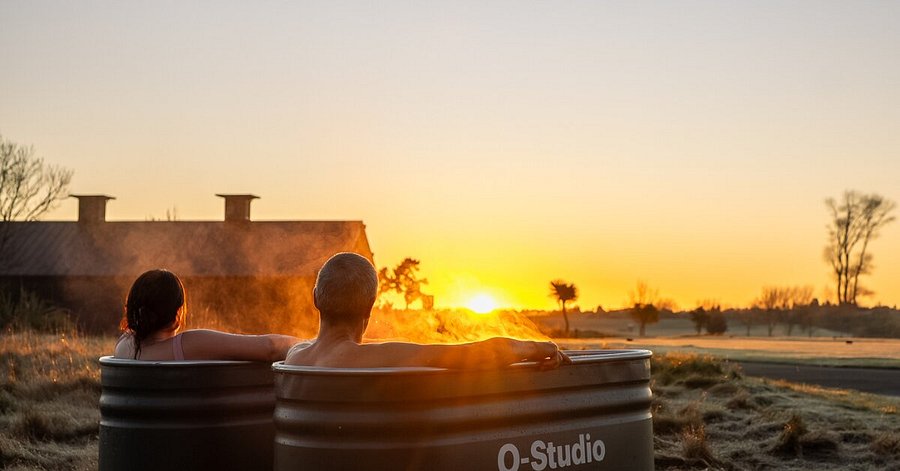
A New Zealand example of this more digitally integrated model is O-Studio, founded by former professional New Zealand rugby player Tim Bateman. O-Studio operates as a network of premium wellness and recovery centres across New Zealand rather than as an immersive destination retreat.
Its model is built around accessibility and repetition. Guests can book casual sessions, multi-session passes, or memberships, making recovery part of weekly life rather than a once-a-year retreat experience.
The offer includes contrast therapy through communal Finnish saunas and ice baths, private infrared saunas, flotation therapy in sensory deprivation tanks and cabins, therapeutic massage, compression therapy such as Normatec boots, red light therapy, and, in selected locations, hyperbaric oxygen therapy.
O-Studio is a useful local example because it shows how technology-supported wellness can fit into urban living. The value is not only in the equipment. It is in creating a repeatable environment where people can manage stress, recover physically, and maintain regular wellbeing practices alongside work and family life.
However, there is also a risk in over-indexing toward optimisation. More technology does not automatically create more meaning. More data does not necessarily create more wellbeing. This is where the analog model offers an important counterbalance.
The Analog Wellness model
Brands such as Aman Resorts approach wellness from a very different perspective. Rather than engineering recovery primarily through visible technology, the experience is shaped through silence, spatial restraint, natural materials, thermal water, connection to landscape, and reduction of sensory load.
At properties such as Amanemu in Japan or Amangiri in the Utah desert, the architecture intentionally recedes into the environment. The guest experience is built around stillness, proportion, texture, and immersion within nature rather than active optimisation.
This approach aligns with growing evidence around biophilic design, attention restoration theory, environmental psychology, and nervous system regulation through nature exposure.
Research continues to demonstrate measurable links between time in natural environments and reduced stress markers, improved mood, stronger cognitive recovery, improved sleep quality, and parasympathetic nervous system activation.
The evidence for analog wellness is becoming more practical for hospitality operators. In a 2019 Frontiers in Psychology study, the researchers found that spending 21 to 30 minutes in a natural environment produced the most efficient reduction in cortisol, with levels dropping at 18.5% per hour beyond normal daily fluctuations.
In many respects, the analog environment remains one of the most effective restorative systems available. The forest, the coastline, thermal water, natural light, and human connection continue to produce measurable wellbeing outcomes without requiring constant technological interaction.
New Zealand example: Aro Hā Wellness Retreat
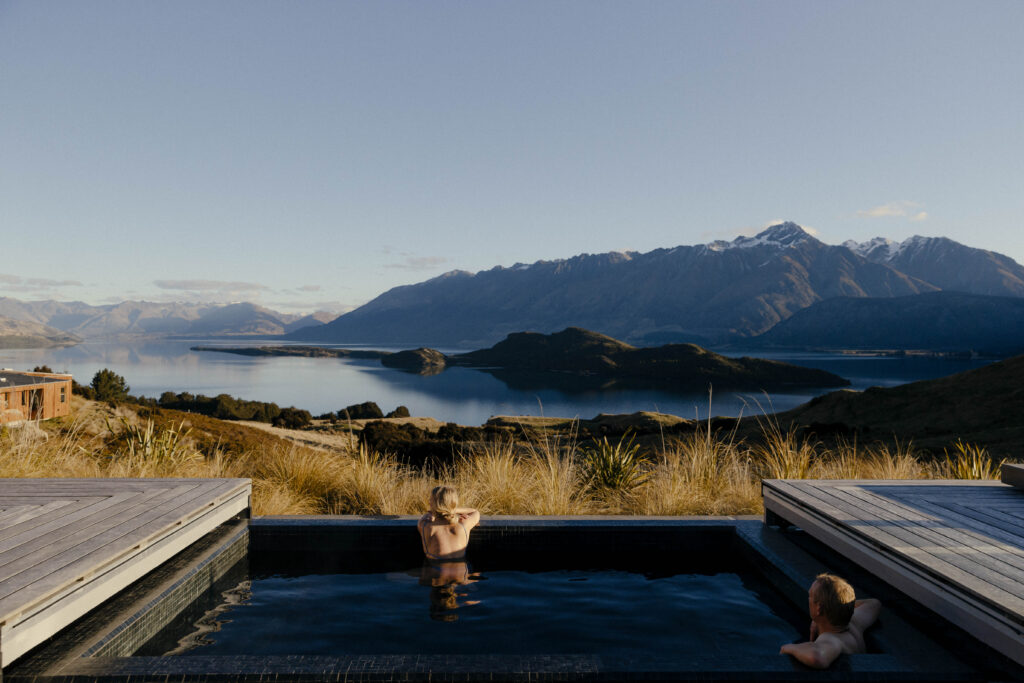
Aro Hā Wellness Retreat in Glenorchy, near Queenstown, provides a strong New Zealand example of the analog wellness model. Rather than relying primarily on visible technology, its multi-day retreats are built around environmental immersion, structured daily rhythm, digital reduction, nutrition, movement, and communal experience.
The offer includes guided sub-alpine hiking, sunrise yoga, evening restorative practices, meditation and breathwork, functional movement, plant-based meals, and workshops covering areas such as nutrition, neuroscience, sleep, and performance psychology.
Aro Ha is also relevant because of its operating context. It is set within a dramatic natural landscape and runs as an all-inclusive retreat environment with a digital detox approach, including no Wi-Fi in public spaces. The guest experience is therefore shaped as much by absence as by addition: fewer distractions, more routine, more movement, more nature, and more communal connection.
For New Zealand operators, Aro Hā illustrates that analog wellness does not mean unsophisticated wellness. It requires disciplined programming, strong operations, environmental sensitivity, and a clear understanding of how place, rhythm, movement, food, and social connection affect the guest experience.
Many hospitality assets in New Zealand already sit within environments that naturally support restoration. The opportunity may not always be to add more technology, but to more intentionally activate what already exists.
Examples could include guided walking programs, dark sky experiences, cold water immersion, communal dining experiences, forest bathing, river restoration activities, and slower forms of programming designed around nervous system recovery.
The Opportunity Is Integration, Not Opposition
The discussion should not become technology versus nature. The strongest hospitality environments will likely integrate both approaches carefully and intentionally.
Technology can support sleep quality, accessibility, environmental efficiency, operational consistency, and personalised wellness pathways. The analog environment supports emotional regulation, sensory recovery, belonging, connection to place, and reduction of cognitive fatigue.
The key is balance and intentionality. The most effective systems are often the least intrusive. In many cases, the best technology disappears quietly into the background, supporting comfort and wellbeing without demanding constant guest attention.
The contrast between O-Studio and Aro Hā is useful for New Zealand hospitality because both are credible, but they solve different problems. O-Studio shows how digitally supported recovery can be integrated into city life through repeat use and membership. Aro Ha shows how a more immersive analog retreat can use landscape, routine, and digital reduction to support deeper reset. Both models are relevant. The point is to match the intervention to the guest need, the asset, and the operating context.
This is particularly relevant as hospitality operators begin gathering larger amounts of behavioural and biometric information.
The Ethics of the Digital Skin
As wellness hospitality becomes more data-driven, ethics will become increasingly important.
Many guests engaging in extended wellness stays, recovery programs, or longevity-focused experiences may be navigating highly personal circumstances:
- illness
- burnout
- grief
- addiction recovery
- emotional exhaustion
- major life transitions
The information gathered within these environments can become deeply sensitive. Sleep data, stress indicators, behavioural patterns, emotional responses, and biometric information are not ordinary customer metrics. They can reveal highly personal aspects of a person’s physical and emotional condition.
This requires a high standard of care. I often describe this information as a guest’s “digital skin”. Operators should clearly communicate:
- what information is being collected
- why it is being collected
- how long it is stored
- who has access to it
- whether guests can request deletion
The option to erase one’s digital profile at the end of a stay should become a standard consideration within wellness hospitality. This is not simply an ethical issue; it is a commercial one. PwC’s 2024 Trust Survey found that 46% of consumers purchased more from companies they trust, while 28% paid a premium. The IAPP’s 2023 Privacy and Consumer Trust Report also found that 64% of consumers say clear information about privacy policies enhances trust. In wellness hospitality, where guests may be sharing highly personal health, sleep, or behavioural data, transparency and restraint are not just compliance measures; they are part of the return on investment.
Guests can generally distinguish between systems designed to support wellbeing and systems designed primarily to increase transactional opportunity. The operators that build long-term trust will be those that approach data with restraint, transparency, and professionalism.
Authenticity and the Return of Human Connection
Alongside the rise of wellness technology, there is growing awareness for experiences that feel authentic and locally grounded. Guests are increasingly interested in:
- cultural engagement
- environmental restoration
- community participation
- local food systems
- slower and more meaningful travel experiences
For New Zealand, this presents a significant opportunity. Hospitality operators have the ability to create wellness experiences connected to:
- local ecology
- iwi partnerships
- conservation activity
- regional storytelling
- regenerative tourism initiatives
- community wellbeing
Importantly, authenticity cannot simply exist within marketing language. It needs to be reflected operationally through leadership behaviour, community relationships, staff engagement, cultural respect, and long-term consistency.
Guests are becoming increasingly discerning. They can generally sense the difference between experiences developed through genuine relationship and those created primarily for commercial positioning. When approached well, these models create value across multiple levels of the business:
- stronger guest trust
- improved staff pride and retention
- stronger community relationships
- increased brand credibility
- greater long-term resilience
They also reposition wellness away from pure consumption and toward participation. A guided walk with local ecological knowledge, a communal meal using regional produce, or participation in environmental restoration can, in some contexts, create a stronger sense of wellbeing than highly expensive wellness infrastructure alone.
Wellness Beyond the Luxury Segment
One of the risks within the current wellness conversation is that it becomes overly concentrated within the upper end of the market.
While luxury innovation often drives broader industry evolution, meaningful wellness experiences do not need to rely exclusively on expensive technology, advanced recovery equipment, or destination retreat settings.
A useful New Zealand example is LyLo, a design-led lifestyle budget accommodation brand with properties in Auckland, Christchurch, and Queenstown. LyLo has disrupted the traditional backpacker model by combining affordable accommodation with a stronger focus on privacy, design, technology, and social connection.
Its self-contained sleeping pods provide acoustic and visual privacy, with individual lighting, power access, privacy screens, and secure storage. This gives guests a greater sense of personal space and control than traditional dormitory accommodation, while keeping the price point accessible.
However, the wellness relevance of LyLo is not only in the sleeping pod. It is in how the wider guest experience has been designed to bring people together.
Rather than relying on the common “party hostel” model, LyLo creates structured and informal opportunities for relaxed social interaction through:
- large communal kitchens where travellers cook, eat, and share information
- multi-purpose lounges and rooftop spaces that blend work, rest, and social connection
- on-site hospitality venues such as Miss Lucy’s, which operate as social hubs for guests and locals
- curated events such as quiz nights, live music, karaoke, yoga, and organised social activities
- work, stay, and play programmes that help Working Holiday Visa holders build community when arriving in New Zealand
This is an important reminder for the wider hospitality sector. For mid-scale hotels, motels, backpacker accommodation, and regional tourism operators, this opens a practical and commercially relevant opportunity.
Wellbeing principles can be integrated through relatively accessible initiatives such as:
- communal gathering spaces
- organised nature walks
- shared kitchens or communal dining
- movement and mindfulness sessions
- digital detox programming
- co-working and social lounges
- local orientation sessions for new arrivals
- simple event calendars that encourage guests to meet naturally
Social wellness is likely to increasingly be one of the more important hospitality conversations of the next decade. LyLo demonstrates that this does not need to be confined to luxury. With thoughtful design, privacy, programming, and social infrastructure, budget and lifestyle accommodation can play a meaningful role in supporting wellbeing through belonging.
The Global Wellness Institute’s Initiative Trends 2026 Men’s Wellness Initiative highlights Gallup’s 2023–2024 data showing that 25% of U.S. men aged 15 to 34 felt lonely “a lot of the previous day”. Gallup’s own reporting also shows this was higher than U.S. women in the same age group at 18%, and higher than the 15% median for young men across higher-income OECD countries. For hospitality, this supports a practical point: social wellness is not a soft add-on, particularly for younger male travellers. Well-designed communal spaces, group activities, outdoor programming, and shared meals can support connection in ways that are commercially relevant and humanly necessary.
Human beings regulate through connection. Belonging is not simply emotional; it also influences stress regulation, emotional safety, and overall wellbeing.
Wellness is not always about advanced intervention. In many cases, the industry has an opportunity to reduce loneliness, supporting ease, creating safe social environments, and helping people feel part of something. The World Health Organization’s 2025 Commission on Social Connection reported that one in six people globally is affected by loneliness, with serious implications for health and wellbeing. For hospitality operators, this gives social wellness practical relevance: shared spaces, communal dining, hosted activities, and thoughtful guest programming can all contribute to the wellbeing experience.
A Practical Opportunity for New Zealand Hospitality
The question for hospitality is not whether to choose technology or humanity. It is how to bring them into better alignment.
Emerging tools such as intelligent rooms, biometric feedback, circadian lighting, recovery technologies, and responsive environmental systems will continue to influence the way hotels are designed and operated. Used well, these tools can improve sleep, support recovery, reduce friction, and create stronger points of differentiation for owners and operators.
Yet the industry should be careful not to overlook the restorative assets already available to us. Natural environments, social connection, cultural knowledge, communal dining, and a sense of belonging all play a measurable role in human wellbeing. In many cases, these are the very experiences guests are travelling to find.
The strongest strategies will combine both worlds with care. They will use technology transparently, protect guest data, design environments that support recovery, and create experiences that are genuinely connected to place, community, and culture. They will also recognise that wellness is not limited to luxury lodges or destination retreats. It can be meaningfully integrated across a wide range of accommodation types, from high-end resorts and urban hotels to motels, lifestyle budget brands, backpacker accommodation, and regional tourism assets.
For New Zealand, this is a practical and timely advantage. Our landscapes, cultural depth, food systems, hospitality values, and growing wellness capability provide a strong foundation for distinctive guest experiences. The next step is ensuring these concepts are commercially sound, operationally realistic, ethically considered, and aligned with the needs of future travellers.
Horwath HTL New Zealand can support owners, developers, operators, and tourism stakeholders in shaping this work through feasibility, market positioning, concept development, wellness strategy, and operational advisory. The role is to help identify where wellness genuinely adds value, how it can be integrated into the guest journey, and how it can contribute to long-term asset performance.
The future of wellness hospitality will belong to operators who use technology with care, design with integrity, and create places where people genuinely recover and reconnect.